
Root Canal Treatment
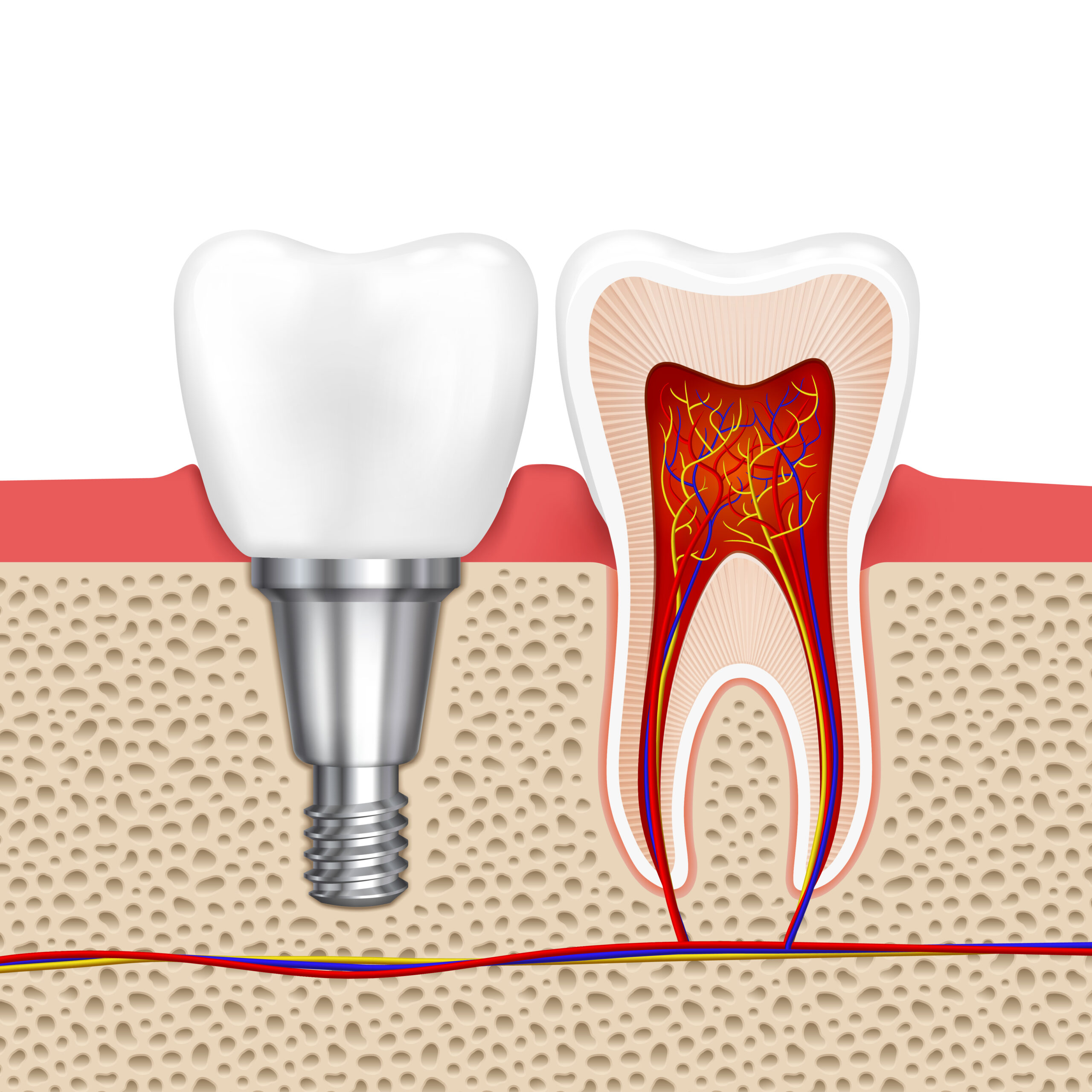
A root canal treatment, also known as endodontic therapy, is a dental procedure designed to remove infected or damaged tissue from inside a tooth.
The treatment helps to:
-
Relieve pain
Caused by an infected or abscessed tooth.
-
Save the tooth
Preventing the need for extraction.
-
Prevent further infection
Stopping the spread of bacteria to surrounding teeth and tissues.
Why is a Root Canal Treatment Necessary?
A root canal treatment is necessary when:
-
Tooth decay reaches the pulp
Bacteria infect the pulp, causing pain and inflammation.
-
Tooth trauma
A crack or break in the tooth allows bacteria to enter the pulp.
-
Gum disease
Bacteria from gum disease can infect the pulp.
What Happens During a Root Canal Treatment?
During a root canal treatment:
-
Anesthesia
A local anesthetic is administered to numb the tooth and surrounding area.
-
Access
A small access hole is made in the tooth to reach the pulp.
-
Removal of infected tissue
The infected or damaged pulp is removed from the tooth.
-
Cleaning and shaping
The canal is cleaned and shaped to prepare it for filling.
-
Filling
A special material is placed in the canal to seal it.
-
Restoration
A crown or filling is placed on top of the tooth to protect it.
Single sitting
Single-sitting root canal treatment (RCT) involves completing the entire procedure in one visit, offering convenience and potentially reducing discomfort, while traditional RCTs may require multiple visits.
Multiple sitting
Multiple-sitting root canal treatment involves completing the procedure in several appointments, often two or three, to ensure thorough cleaning, disinfection, and filling of the root canals, especially in cases with severe infections or complex anatomy.
Post & Core
A post and core is a dental restoration used to support a tooth that has been severely damaged or weakened due to decay, trauma, or other factors.
Types of Posts
There are several types of posts, including:
-
Metal Posts
-
Ceramic Posts
-
Fiber-reinforced posts