
Oral Surgical Procedure
Oral surgery, also known as oral and maxillofacial surgery, is a specialized field of dentistry that focuses on surgical procedures related to the mouth, teeth, and surrounding tissues.
At Smilecity Dental Clinic, we offer a range of oral surgical procedures, including:
-
Wisdom teeth removal
-
Tooth extractions
-
Bone grafting
-
Gum grafting
-
Dental implant placement
-
Orthognathic surgery
-
Oral pathology
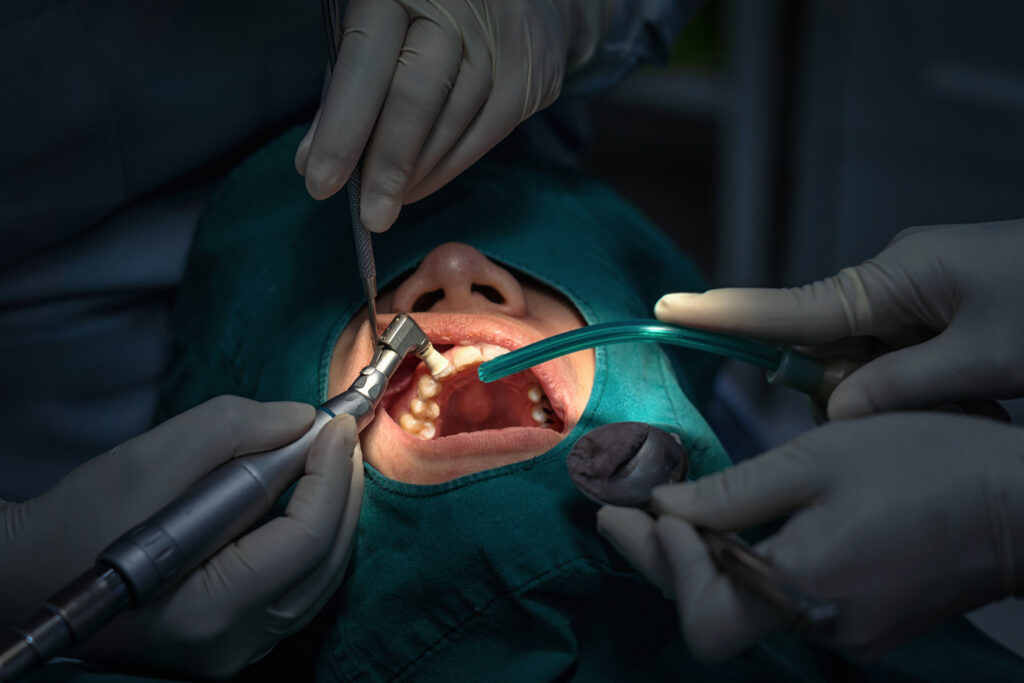
Wisdom Tooth/3rd Molar Extraction/Removal
Wisdom teeth, also known as third molars, are the last set of teeth to erupt in the mouth, typically between the ages of 17 and 25
Wisdom teeth often need to be removed because:
-
Overcrowding
-
Impaction
-
Infection
-
Cysts and tumors
Cyst removal
Dental cyst removal, or enucleation, involves surgically removing the cyst and potentially the affected tooth, with procedures like marsupialization used for larger cysts. After removal, the area is cleaned, and in some cases, bone grafting might be needed.
Extractions
A dental extraction, or “tooth pull,” involves removing a tooth from its socket in the jawbone, often performed under local anesthesia to numb the area. Extractions are sometimes necessary to prevent the spread of infection or decay to other teeth.
Facial fracture management
Facial fractures are broken bones in your face, which can include your jaw, nose and eye sockets. Common causes include motor vehicle accidents, falls, physical assault and gunshot wounds. Treatment typically involves surgical reconstruction. Facial fractures are also common among victims of physical assault and gunshot wounds. Your facial bones are thinner than a lot of other bones in your body, making them prone to injury.
The most common facial fractures include:
-
Nasal fractures (Broken nose)
-
Forehead fractures (broken frontal bone)
-
Orbital fractures (eye sockets)
-
Zygomatic fractures (cheekbones)
-
Tripod facial fracture (involving your eye socket, cheekbone and upper jaw)
-
Maxillary or mandibular fracture (Broken Jaw)
-
Mid-face fractures (Le Fort fractures)
Orthognathic Surgery
Jaw surgery (orthognathic surgery) corrects misaligned jaws. It can treat conditions like TMJ disorders, malocclusion (“bad bites”) and obstructive sleep apnea. It’s a complex process that requires a lot of downtime. But it has a success rate of nearly 94%. We recommend jaw surgery when nonsurgical treatments aren’t enough. Corrective jaw surgery (orthognathic surgery) changes the structure of your jawbone and brings your upper and lower jaws into proper alignment. Misaligned jaws can negatively impact your bite and make eating and speaking more difficult. Jaw surgery isn’t a single event. It’s a two- to three-year process that combines surgery and Orthodontics.
The most common facial fractures include:
-
Orthodontic treatment prepares your teeth for jaw surgery.
-
Jaw surgery aligns your upper and lower jaws.
-
Continued orthodontic treatment helps your teeth move into and stay in their final positions.
While there are some exceptions, most people can’t have jaw surgery until their jaws stop growing usually in the late teenage years.
Oral and maxillofacial surgeons or other head and neck surgeons use jaw surgery to treat:
-
Broken Jaw
-
Cleft lip and Palate
-
Jaw cancer
-
Jaw cysts and tumors
-
Malocclusion
-
Obstructive Sleep Apnea (OSA)
-
Prognathism
-
TMJ disorders
-
Undersized or oversized jaws
You might need jaw reconstruction surgery after an accident or injury. This procedure may involve placing jaw implants to restore your appearance.