
TMJ Disorders
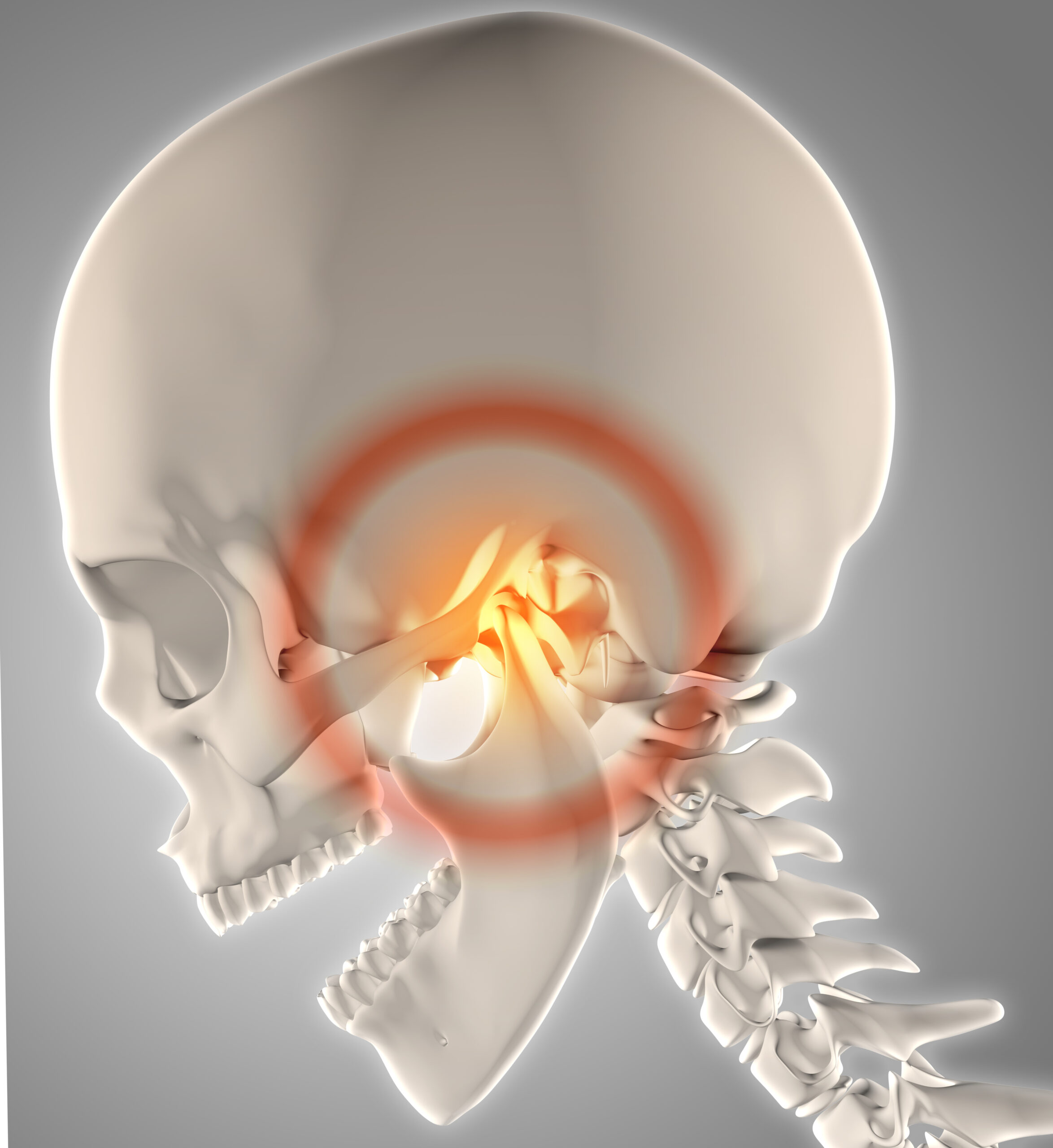
TMJ (Temporomandibular Joint) disorders refer to a group of conditions that affect the joint that connects the jawbone to the skull, as well as the surrounding muscles and tissues.
Causes
-
Jaw Injury
A blow to the jaw or face can cause TMJ disorders.
-
Arthritis
Arthritis in the TMJ can cause pain and stiffness.
-
Teeth Grinding
Grinding or clenching the teeth can put strain on the TMJ.
-
Misaligned Bite
A misaligned bite can put uneven pressure on the TMJ.
-
Stress
Stress can cause tension in the jaw muscles, leading to TMJ disorders.
Symptoms
-
Jaw Pain
Pain or tenderness in the jaw, face, or temples.
-
Clicking or Popping
Clicking or popping sounds when opening or closing the mouth.
-
Limited Mobility
Difficulty opening or closing the mouth.
-
Headaches
Frequent headaches or migraines.
-
Earaches
Earaches or ringing in the ears.
-
Oral pathology
Treatment
-
Pain Relief
Pain relief medications such as ibuprofen or acetaminophen.
-
Jaw Exercises
Exercises to stretch and strengthen the jaw muscles.
-
Mouth Guard
A mouth guard to prevent teeth grinding.
-
Bite Correction
Correction of the bite through orthodontic treatment or dental restorations.
-
Surgery
In severe cases, surgery may be necessary to repair or replace the TMJ.
Diagnosis
-
Physical Examination
A physical examination of the jaw and face.
-
Imaging Tests
X-rays, CT scans, or MRI scans to evaluate the TMJ.
-
Bite Analysis
An analysis of the bite to check for misalignment.
Self-Care
-
Relaxation Techniques
Stress-reducing techniques such as meditation or deep breathing.
-
Jaw Rest
Avoiding activities that strain the jaw, such as chewing gum or eating hard foods.
-
Soft Diet
Eating a soft diet to reduce strain on the TMJ.
-
Heat or Cold Therapy
Applying heat or cold packs to the jaw to relieve pain.